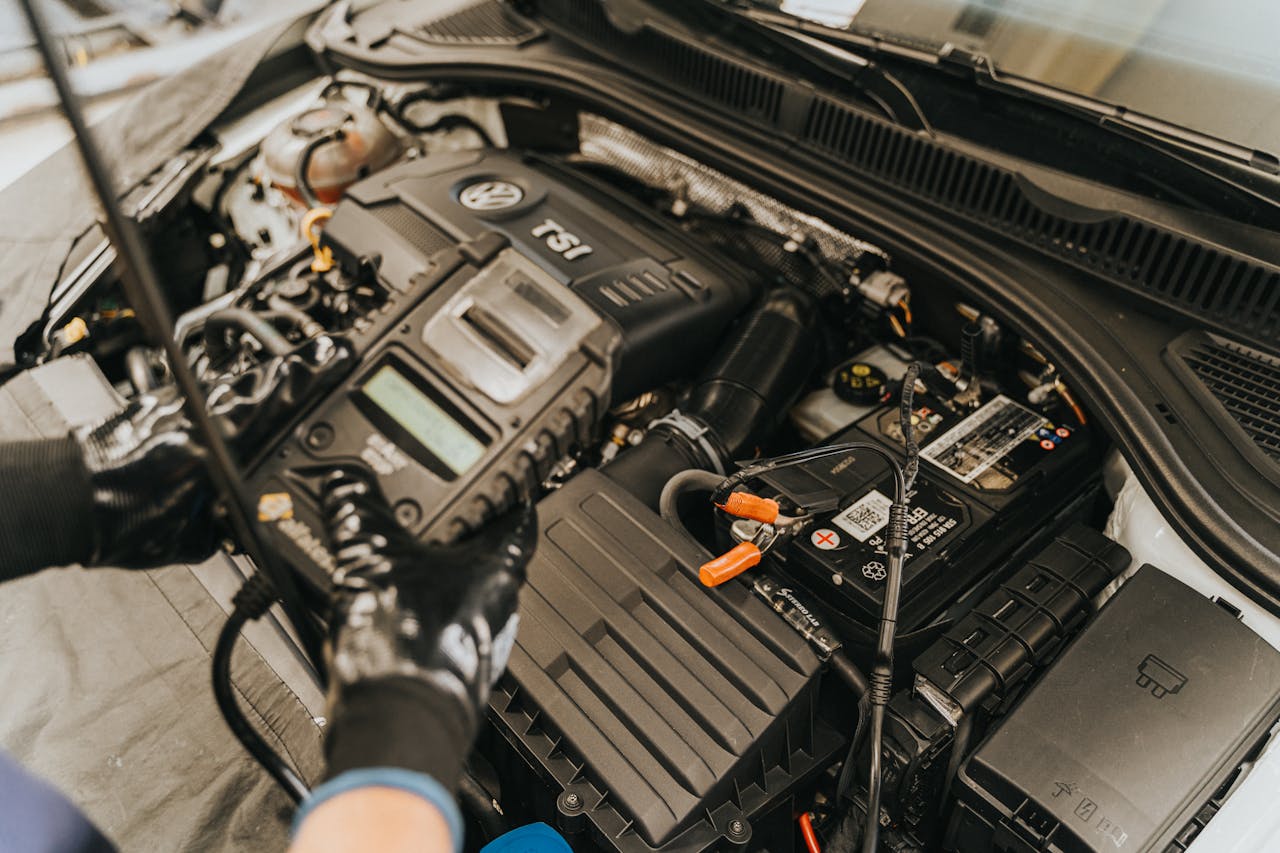
- Robust systems leverage batterybet technology for lasting energy performance
- Advanced Battery Modeling and Prediction
- The Role of Machine Learning in Battery Prediction
- Intelligent Charging Strategies for Longevity
- Adaptive Charging Profiles and Usage Patterns
- Predictive Maintenance and Fault Diagnosis
- Remote Monitoring and Data Analytics
- Applications Across Diverse Industries
- The Future of Energy Storage and Batterybet’s Role
Robust systems leverage batterybet technology for lasting energy performance
The pursuit of efficient and reliable energy storage is a constant driving force in technological advancement. Many modern systems, from portable electronics to large-scale grid solutions, rely heavily on effective power management. A relatively new approach, often termed as batterybet, is rapidly gaining traction due to its innovative approach to optimizing battery performance and extending operational lifespan. This technology isn’t a single, monolithic solution, but rather a collection of techniques and design philosophies aimed at maximizing the return on investment from battery-powered devices and systems.
Traditional battery management often focuses on simple charge and discharge cycles, neglecting the subtle nuances that impact long-term health. The limitations of classic strategies become increasingly apparent as energy demands grow and battery chemistries evolve. Batterybet addresses these shortcomings by incorporating intelligent algorithms, predictive maintenance protocols, and adaptive power delivery methodologies. Its ultimate goal is to create a symbiotic relationship between the battery and the device it powers, ensuring optimal performance throughout the battery’s operational life and beyond, contributing to sustainability initiatives and reduced electronic waste.
Advanced Battery Modeling and Prediction
A core component of the batterybet approach is the development and implementation of sophisticated battery models. These models are not static representations, but rather dynamic simulations that take into account a myriad of factors impacting battery performance. Things like temperature, charge/discharge rates, cycle depth, and even age all contribute to the internal state of a battery and its ability to deliver power. By accurately modeling these factors, systems can predict future performance, optimize charging protocols, and proactively prevent potential failures. Advanced algorithms leverage historical data and real-time sensor readings to refine these models, improving their accuracy over time. This predictive capability is critical for applications where downtime is unacceptable, such as in medical devices or critical infrastructure.
The Role of Machine Learning in Battery Prediction
Machine learning (ML) techniques are becoming increasingly vital in enhancing batterybet modeling capabilities. ML algorithms can identify complex patterns and correlations within large datasets that would be impossible for humans to discern. For instance, ML can be employed to detect subtle deviations in battery voltage or impedance that might indicate an impending issue. This allows for early intervention, such as adjusting charging parameters or scheduling maintenance, potentially preventing a catastrophic failure. Furthermore, ML models can be trained to personalize battery management strategies based on individual usage patterns, maximizing efficiency and extending lifespan. The integration of ML transforms battery management from a reactive process to a proactive and intelligent one.
| Battery Parameter | Importance in Modeling | Measurement Method |
|---|---|---|
| State of Charge (SoC) | Crucial for accurate prediction | Voltage, Current, Coulomb Counting |
| State of Health (SoH) | Indicates battery degradation | Capacity Fade, Internal Resistance |
| Temperature | Significant impact on performance | Thermocouples, Temperature Sensors |
| Internal Resistance | Reflects battery aging | AC Impedance Spectroscopy |
The data collected from these measurements feeds directly into the advanced battery models, bolstering their predictive power and ensuring that energy systems operate at peak efficiency. The improvement of these modeling systems provides substantial benefits for end-users.
Intelligent Charging Strategies for Longevity
Beyond accurate modeling, batterybet emphasizes the importance of intelligent charging strategies. Traditional charging methods often employ a simple constant-current/constant-voltage (CC/CV) approach, which can be detrimental to long-term battery health. Overcharging or charging at excessively high rates can accelerate degradation and reduce the battery’s overall lifespan. The batterybet approach advocates for adaptive charging algorithms that tailor the charging process to the specific needs of the battery and its operating conditions. This includes techniques like pulsed charging, trickle charging, and dynamic voltage adjustment, all aimed at minimizing stress and maximizing longevity.
Adaptive Charging Profiles and Usage Patterns
One key aspect of intelligent charging is the creation of adaptive charging profiles based on observed usage patterns. If a device is typically used during specific times of day, the charging algorithm can optimize the charging schedule to minimize the time spent at 100% charge, which is known to accelerate degradation. Similarly, if a device is often used in harsh environments, the charging algorithm can adjust the charging parameters to mitigate the effects of temperature or vibration. This level of personalization ensures that the battery is always charged in the most optimal manner, extending its lifespan and maximizing its overall performance. Recognizing these usage patterns allows for a customized experience.
- Reduced Heat Generation: Adaptive charging minimizes heat buildup, a primary cause of battery degradation.
- Extended Cycle Life: Optimized charging cycles contribute to longer battery lifespans.
- Improved Battery Capacity Retention: Maintaining optimal charge levels preserves battery capacity over time.
- Enhanced Safety: Intelligent charging algorithms prevent overcharging and other potentially hazardous conditions.
These benefits culminate in a system that not only preserves battery health but also enhances overall system reliability and safety. The focus shifts from simply providing power to safeguarding the energy storage component itself.
Predictive Maintenance and Fault Diagnosis
The batterybet methodology doesn’t stop at modeling and charging; it extends to predictive maintenance and fault diagnosis. By continuously monitoring key battery parameters, the system can identify subtle anomalies that might indicate an impending failure. This allows for proactive maintenance, such as replacing a battery before it completely fails, preventing downtime and minimizing disruption. Sophisticated diagnostic algorithms can pinpoint the root cause of issues, facilitating efficient repairs and reducing maintenance costs. This is particularly valuable in applications where access to batteries is limited or expensive, such as in aerospace or remote monitoring systems.
Remote Monitoring and Data Analytics
Remote monitoring and data analytics are crucial elements of the batterybet predictive maintenance strategy. By transmitting battery data to a central server, operators can gain real-time insights into the health and performance of batteries across an entire fleet of devices. Data analytics tools can then be used to identify trends, predict failures, and optimize maintenance schedules. This centralized approach allows for efficient resource allocation and proactive problem-solving. Furthermore, the data collected can be used to improve battery models and charging algorithms, creating a continuous cycle of improvement. The use of AI in this realm is expanding rapidly.
- Continuous Monitoring: Real-time tracking of key battery parameters.
- Anomaly Detection: Identifying deviations from normal operating conditions.
- Predictive Modeling: Forecasting potential failures based on historical data.
- Remote Diagnostics: Troubleshooting issues remotely to minimize downtime.
This proactive approach to maintenance significantly reduces operational costs and enhances the reliability of battery-powered systems.
Applications Across Diverse Industries
The principles underlying batterybet are applicable to a wide range of industries and applications. In the electric vehicle (EV) sector, these techniques are crucial for maximizing range, extending battery lifespan, and ensuring safe operation. For renewable energy storage systems, batterybet helps to optimize grid stability and reduce reliance on fossil fuels. In consumer electronics, it enhances the user experience by providing longer runtimes and reducing the frequency of battery replacements. The versatility of this approach makes it a valuable asset in any domain where batteries play a critical role.
Furthermore, the impact extends to industrial settings, where uninterrupted power supplies are paramount. From robotics and automation to medical equipment and security systems, the reliable performance facilitated by batterybet technologies ensures operational continuity and reduces the risk of costly downtime. The integration of these technologies is driving innovation across various sectors, leading to more efficient, sustainable, and reliable energy solutions.
The Future of Energy Storage and Batterybet’s Role
As battery technology continues to evolve, the need for sophisticated battery management systems will only grow. New battery chemistries, such as solid-state batteries and lithium-sulfur batteries, offer the potential for higher energy density and improved performance, but they also present new challenges for management and control. Batterybet, with its emphasis on advanced modeling, intelligent charging, and predictive maintenance, is well-positioned to address these challenges and unlock the full potential of these emerging technologies. Collaboration between materials scientists, electrical engineers, and software developers will be critical to realizing this vision, and the continued refinement of algorithms and predictive models will be key to maximizing battery lifespan and performance.
Looking ahead, we can anticipate the development of even more sophisticated battery management systems that incorporate artificial intelligence and machine learning to optimize every aspect of battery operation. These systems will not only predict failures but also proactively adapt to changing conditions, ensuring that batteries operate at peak efficiency throughout their entire lifecycle. This ultimately leads to a more sustainable and reliable energy future, reducing waste and maximizing the value of our precious energy resources.